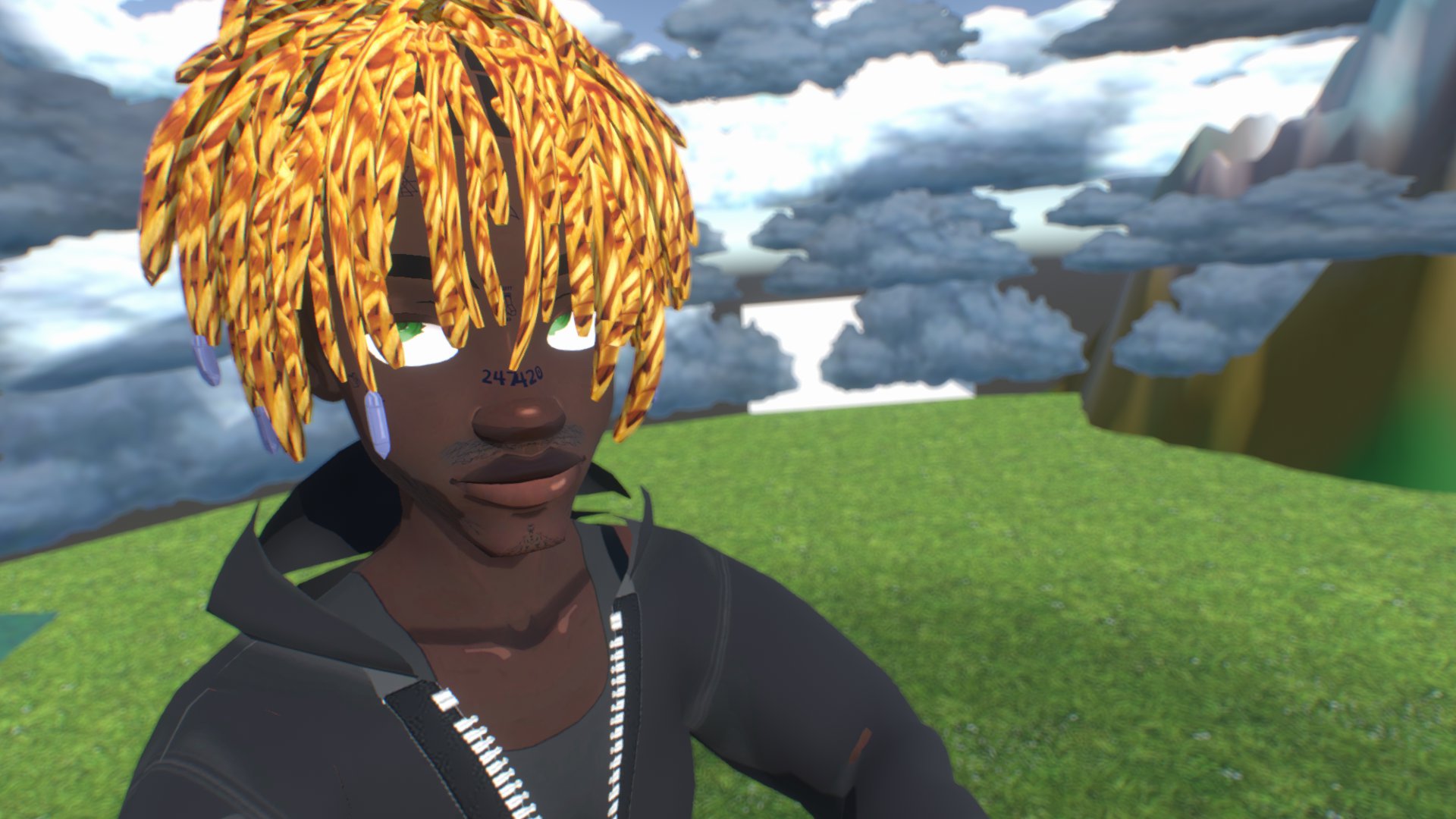
Enter the Metaverse
🅢🅟🅐🅦🅝🅔🅓 🅘🅝 🅐 🅢🅔🅡🅥🅔🅡
The VR Headset Changed Everything
I remember the exact moment. January 2015. I’m in my living room, Oculus Rift on my face, and I’m standing on the surface of Mars. Not watching a video of Mars. Not looking at a 360 photo. Standing there. Looking around. The red dust, the distant sun, the overwhelming vastness of it.
I took the headset off and my hands were shaking.
This wasn’t the future I was promised. This was something else entirely. Something that would consume the next five years of my life.
The Learning Curve
By 2016 I was deep in it. Blender tutorials. Unity projects. WebGL experiments. I learned that 3D development is painful. The tools were clunky, the pipelines were nightmares, but the results—when they worked—were magic.
The language I learned:
- Vertices were prayers to the GPU
- Materials were spells that bent light
- Physics was the simulation of a universe
Every world I built was a small god act. “Let there be light” became scene.add(new THREE.PointLight()).

Platform Hopping
2020 was the year I went all-in on social VR. Not for gaming—for world-building.
NEOS VR
The first love. Everything is data. Everything is editable in real-time. Build with your hands while standing inside your creation. The community was small but intense—builders, tinkerers, dreamers.
Resonite
The spiritual successor. When NEOS stumbled, Resonite inherited the soul. Same core philosophy: tools for thought made visible. I spent months there, building environments that felt like memories.
Hyperfy
The web-native approach. Worlds that run in browsers, connected by URLs, owned by wallets. No installs, no gatekeepers, just pure metaverse accessible from anywhere.
Each platform taught me different lessons:
- NEOS taught me immediacy
- Resonite taught me iteration
- Hyperfy taught me accessibility
What We Built
The worlds weren’t impressive by AAA standards. Low-poly, janky, full of visual artifacts. But they were ours.
- A floating island where people gathered for philosophy discussions
- A club where the music was generated by blockchain events
- A gallery where NFTs were actually experienced in 3D space
- A replica of my childhood bedroom where I could sit and remember
The Sacred Space
Here’s what the mainstream metaverse discourse misses: it’s not about the graphics.
It’s about presence. About being with people in a way that video calls and Discord servers can’t touch. When you share a virtual space—really share it, embodied, co-present—you form bonds that feel different.
I watched strangers become friends. Watched friendships become collaborations. Watched collaborations become movements.
The metaverse isn’t a product. It’s a place.
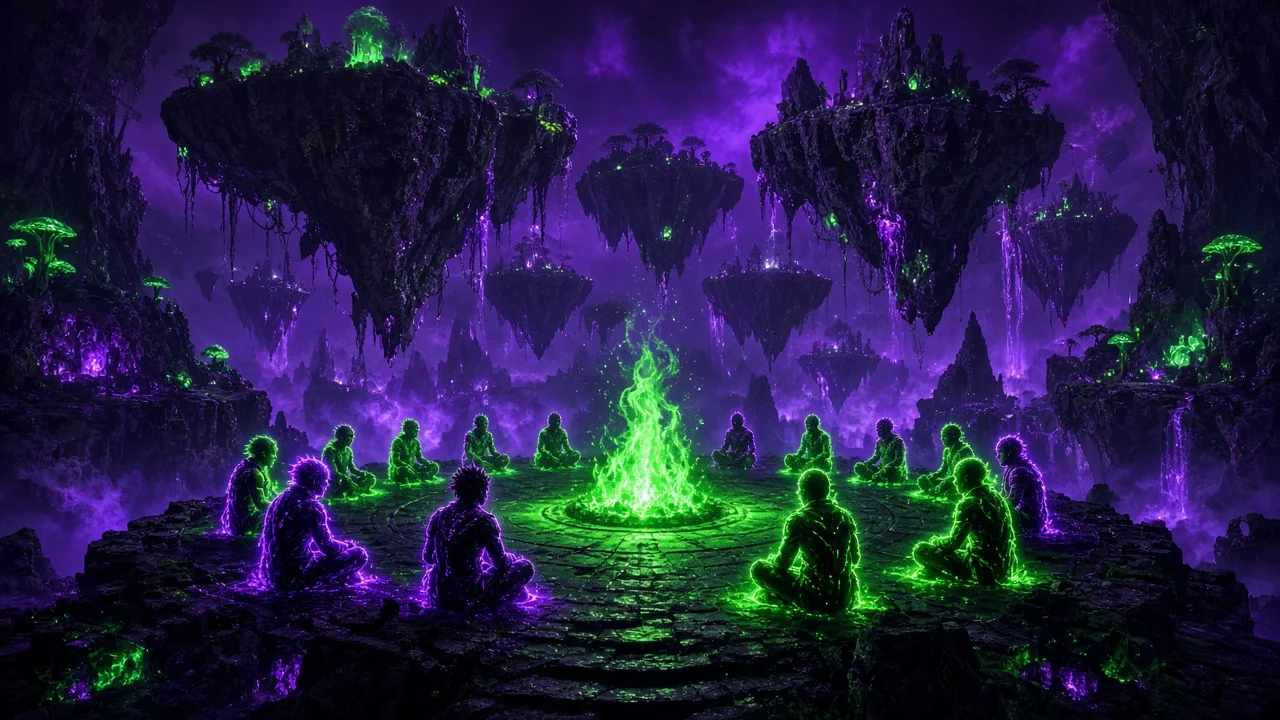
Web3 Meets VR
The intersection was inevitable. Digital scarcity meets digital presence. NFTs that you actually wear in VR. Tokens that unlock spaces. DAOs that govern virtual real estate.
Some of it was hype. Some of it was beautiful. All of it was inevitable.
I started thinking: what if the metaverse had native economies? What if presence itself could be valued? What if the worlds we built could sustain the people building them?
We weren’t there yet. But we were getting closer.
Still Building
The metaverse hype cycle came and went. Zuck’s legs and blockchain casinos and all the cringe that comes with new paradigms.
But underneath the noise, the real builders kept building. The tools got better. The communities got stronger. The vision got clearer.
We’re not in the metaverse yet. We’re in the pre-metaverse, the proto-metaverse, the messy experimental phase that will look quaint in hindsight.
But I’m here. Building. Waiting. Ready for what’s next.
“The metaverse isn’t coming. It’s already here. We’re just not all there yet.”
— b0gie, TechShaman 🧞